




We’ve migrated all Enterprise sites to our next-gen CMS, a complete backend re-architecture built to support the largest, most content-rich sites on Webflow.
Webflow’s next-gen CMS is an architectural overhaul designed to unlock a new level of scale for how teams store, model, and design with dynamic content. Today, we’re excited to share that we’ve successfully migrated all Webflow Enterprise sites to this new architecture, and Enterprise customers can start leveraging expanded CMS storage, schema flexibility, and design flexibility immediately.
In the coming weeks, we’ll begin migrating all Webflow sites to the new architecture. As part of that rollout, everyone will get access to increased design flexibility.
Why now? People are increasingly discovering brands through answer engines, and your site needs to provide structured content that helps AI systems understand your brand, products, and expertise. The payoff is significant: visitors from answer engines convert 4.4X to 23X more than typical SEO traffic. But capturing this opportunity requires a CMS that’s built for Answer Engine Optimization (AEO) — one that offers highly-flexible content models that let you scale content production and create data-rich experiences that are interpretable by bots and compelling to human visitors.
Available for Enterprise customers today
To meet this moment, we’ve completely overhauled the underlying architecture of our CMS, and today, Enterprise customers get access to new levels of flexibility and scale in how they store, structure, and design with dynamic data.
Custom CMS storage and data modeling
For Enterprise customers, we’ve significantly expanded our CMS storage capacity and support for complex data relationships — so teams can build a future-ready content foundation that scales with their business. This includes:
- 2X CMS storage: Scale to over one million total CMS items per site.
- 2X richer data models: Access up to 100 fields per Collection and 20 reference or multi-reference fields per Collection.
- 50X items per individual CMS Collection: Deploy up to one million CMS items (virtually all your CMS items) in a single CMS Collection.
This enables you to:
- Centralize more content and structured data in Webflow CMS, so you can publish the breadth of content AEO demands.
- Consolidate fragmented Collections into simpler, easier-to-manage models as you scale content production.
- Model richer relationships across your content with expanded reference and multi-reference fields (for example, connecting products, features, use cases, and resources) so AI systems can understand and surface the right pages with the right context.
Expanded design flexibility with CMS content
We’ve also significantly expanded how CMS content can power your designs, unlocking richer page layouts and reusable templates that scale across your site. This increased flexibility is available for all Enterprise customers today and all customers in the coming months. It includes:
- 2X per page Collection lists: Utilize up to 40 Collection lists per page.
- 5X per page nested Collection lists and 10X more items per collection list: Support up to 10 nested lists per page and 100 items per nested list.
- Multi-level nesting: Design up to three layers deep with your CMS data (up from one).
This enables you to:
- Create higher-value pages and improve discoverability by bringing more related CMS content together in one place, giving answer engines more structured context to interpret and cite your brand.
- Scale proven page patterns (like customer case studies) by pulling more CMS-driven sections directly into templates.
- Build richer directory and catalog-style pages that present relational content with fewer workarounds.
High performance and reliability for the largest, most complex sites
Finally, our new CMS architecture makes publish, restore, and backup more performant and reliable at scale. This means for the largest and most complex sites on Webflow, our customers can be confident that their content goes live swiftly and consistently.


















Webflow’s next-gen CMS in action
Webflow’s next-gen CMS is built for the realities of modern enterprise web teams: an ever-growing volume of content, complex data relationships, and the need to ship quickly without sacrificing consistency. See how Nursa and Wiley are using these new capabilities to scale their sites, streamline workflows, and deliver richer experiences that support discoverability.
How Nursa is building a scalable, AI-ready healthcare platform with Webflow
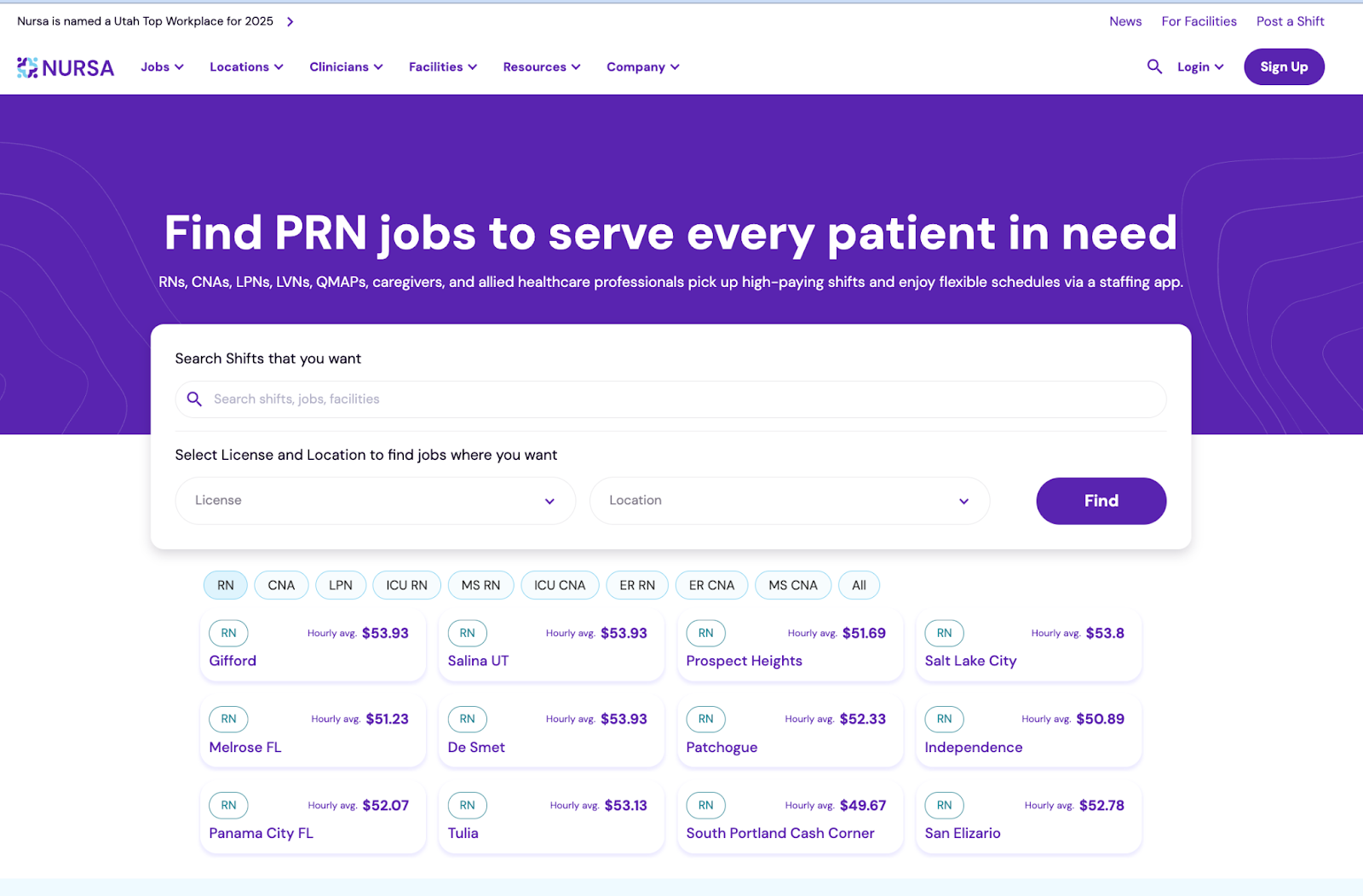
Nursa is a healthcare staffing platform that improves patient care by connecting nurses seeking flexible work with facilities in need of help. For Nursa, CMS data is crucial, mapping to the operational building blocks of their marketplace: facilities, locations, roles, and nursing shifts. With Webflow’s increased CMS storage and design flexibility, Nursa has already grown the number of nursing shifts served across the country by 80%, and can continue scaling to match more qualified clinicians to facilities in need.
Expanded CMS fields also give Nursa more flexibility in how they structure and template product pages, making it easier for AI systems to understand the full breadth of their offering. This is particularly important for the Nursa team, as their site’s discoverability can directly impact patient care.
As Nursa’s SEO manager, Matt Jager, puts it:
“SEO remains a priority, as does ensuring we’re discoverable in the new world of AEO — which demands that we create even more dynamic data-rich experiences. We’re already saving a significant amount in engineering resources with Webflow, and the flexibility and scale unlocked with our major CMS re-architecture reinforces our confidence in the platform.”
How Wiley is accelerating content delivery to millions of researchers with Webflow
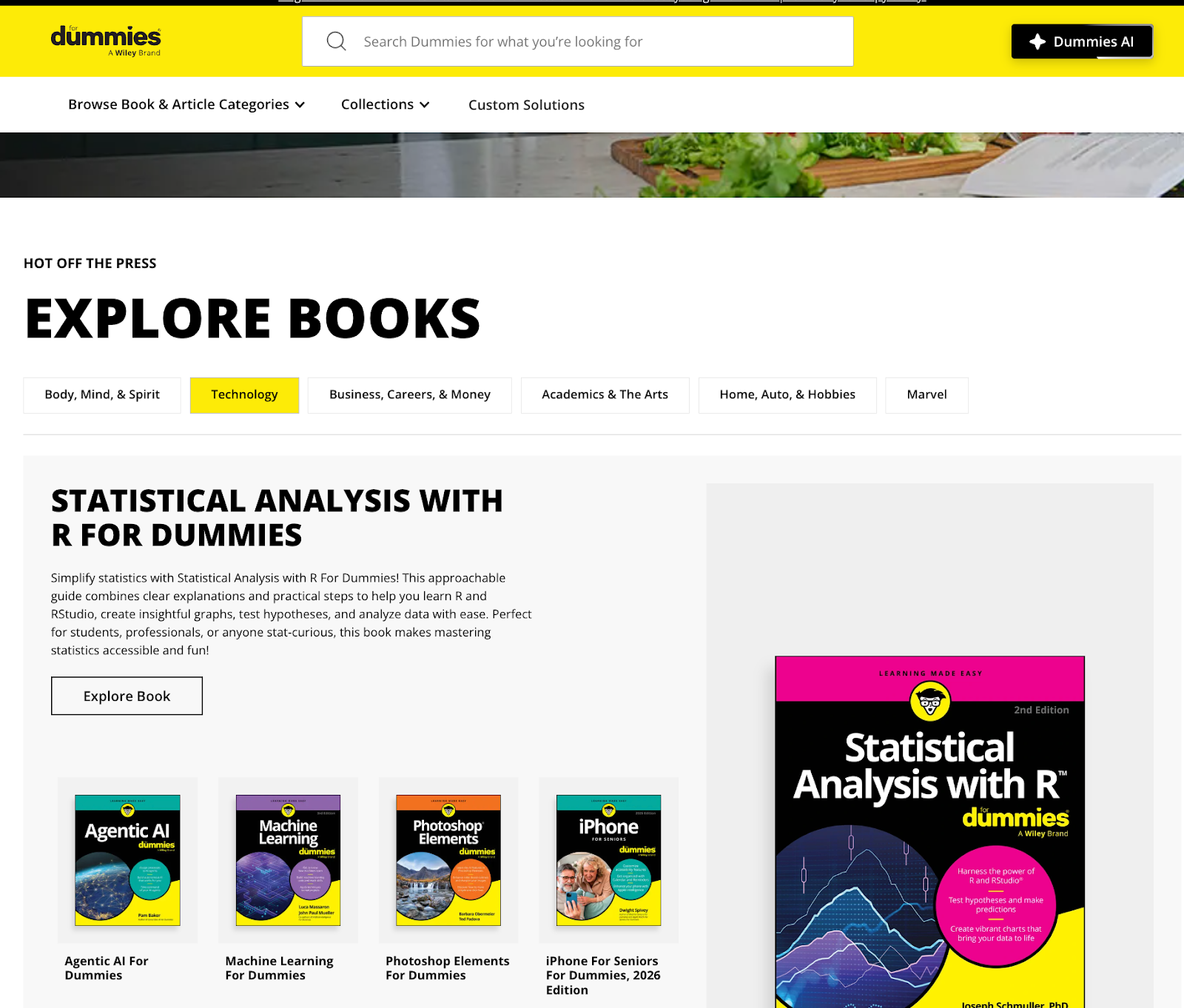
For Wiley, a global leader in research and learning solutions serving millions of learners and researchers worldwide, the timing of the next-gen CMS release couldn't have been better. Wiley had just started development on new product page templates for Dummies.com, and Webflow’s expanded schema flexibility allowed them to structure all their complex product data within a single Collection. The result was a simpler build and a faster, more scalable workflow for editors to add and update content across the site.
Beyond this current build, Webflow’s next-gen CMS empowers Wiley to move faster on their web roadmap, from bringing new products to market to keeping content fresh and relevant for their audience. And combined with Webflow’s multi-channel content delivery APIs, they can ensure their content is served seamlessly and reliably across channels, driving discoverability while ensuring brand consistency.
As Nancy Bane, Manager of Digital Product notes:
"Webflow's next-gen CMS has positioned us to compete more effectively in an AI-first landscape, giving us the structure we need for AEO, the flexibility our content team needs, and the scalability our future AI roadmap will demand. It turns our content into a strategic asset, not just for our learners, but for the LLMs and AI systems that increasingly shape discovery, engagement, and conversion."
What’s next
We are just getting started. Our migration to a modern CMS architecture sets the stage for continued CMS data flexibility and scale increases, more robust APIs, and new capabilities that help brands on Webflow get discovered, understood, and cited by AI engines.
To learn more about next-gen CMS and how Enterprise customers can start leveraging a new level of flexibility and scale today, contact sales or reach out to your account team.
Want to understand how your site stacks up for AI-led discovery?
Get your free AEO maturity assessment today