
The Answer: Executive Roundtable
CMOs weigh in on what AEO readiness actually looks like.
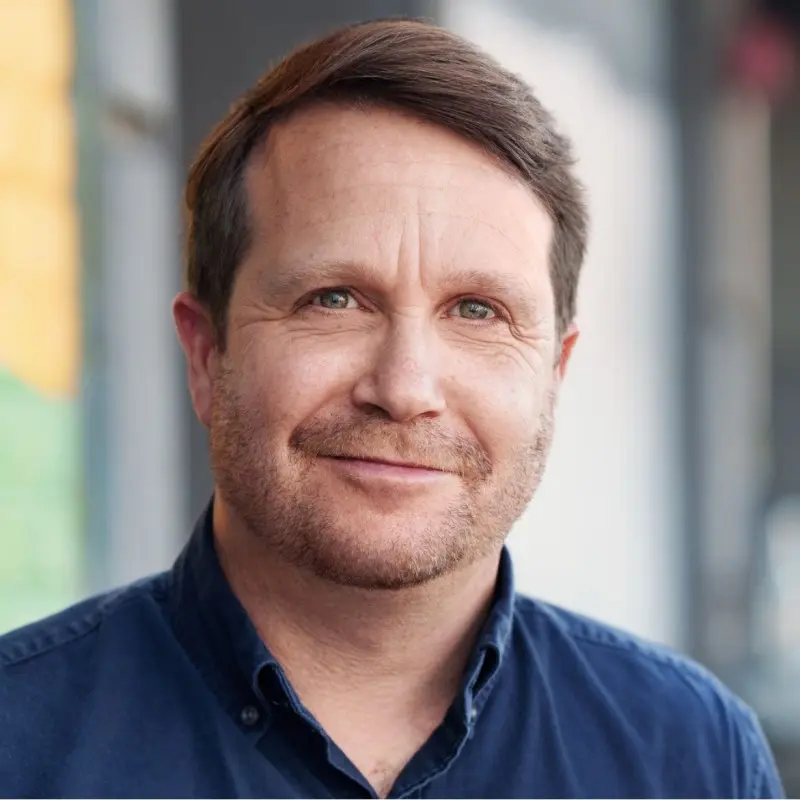
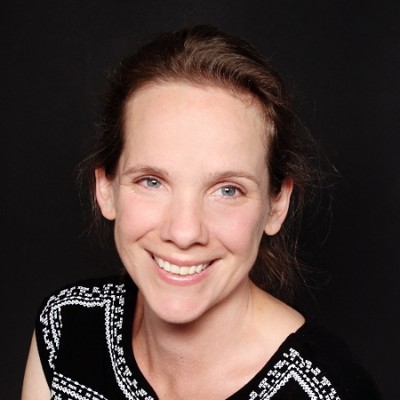

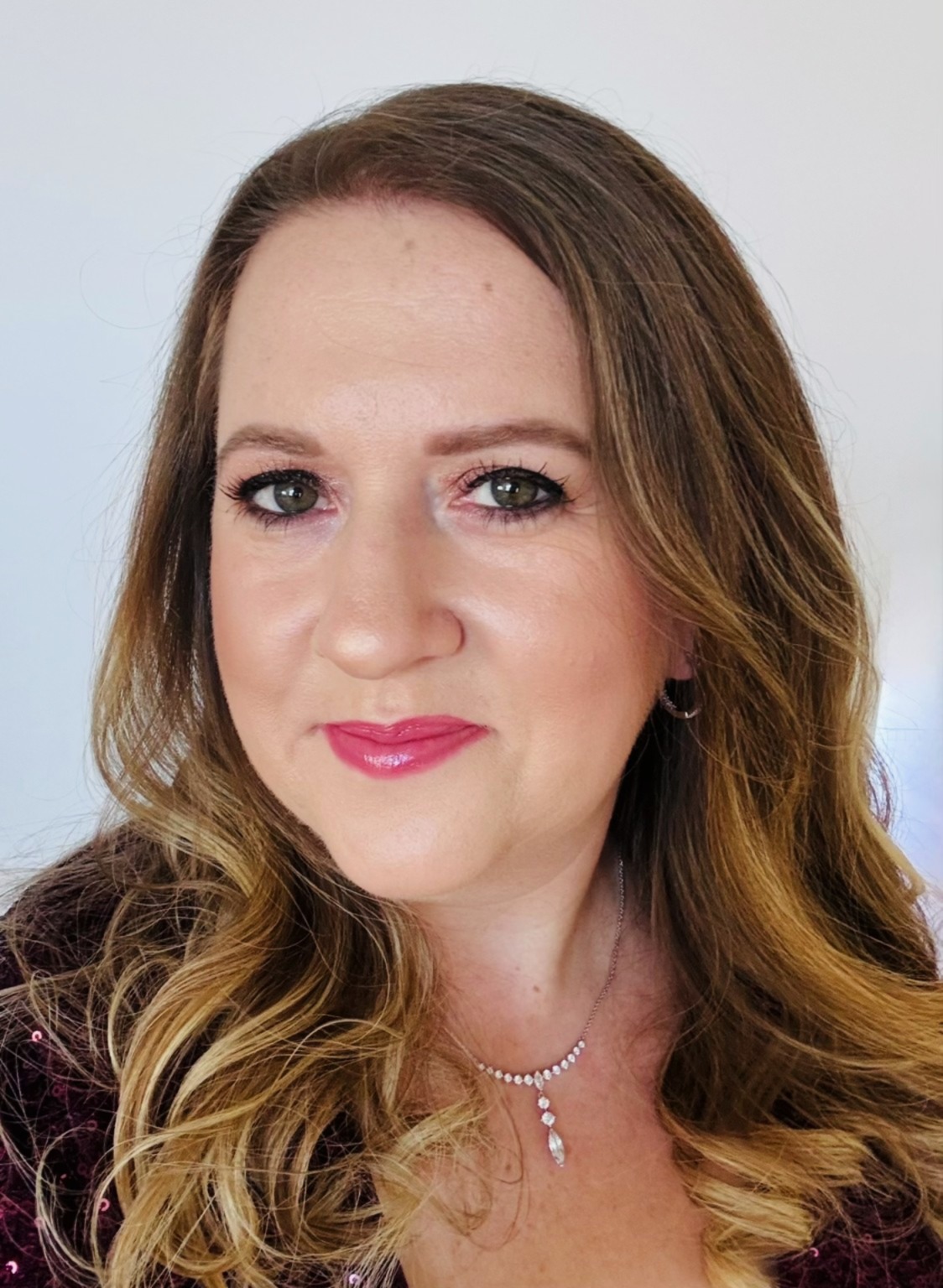
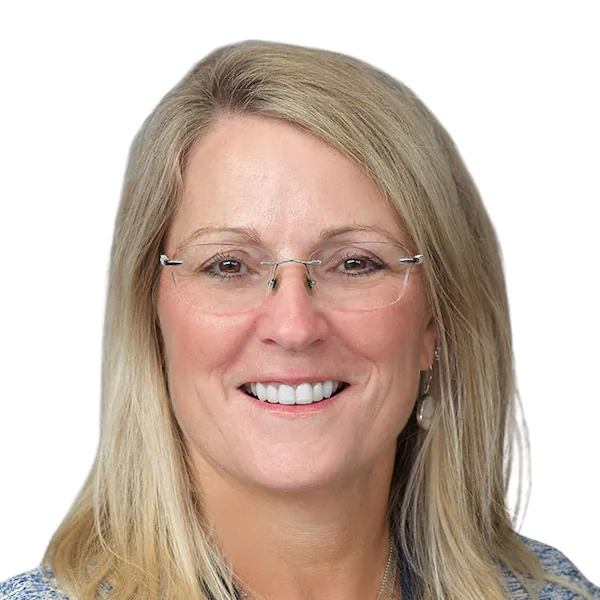
Today's lineup















How discoverability went from 10 blue links to AI answers
For two decades, SEO was the answer to discoverability. Now AI is changing the rules.


What an AI-ready website looks like at global scale
See how Maven, N4, and Lokalise scaled a single website across regions ready for AI-driven discovery.
.png)
The AEO readiness gap: What leaders are getting wrong
AI is already shaping how buyers find you. So why do only 26% of practitioners say they're implementing AEO? Senior marketing leaders weigh in.

WEBFLOW AEO · COMING SOON
Own your visibility in AI search.
See how AI engines find your brand. Get prioritized recommendations. Ship improvements. All within Webflow.
[Inna Meklin] One day we started looking really closely at the data and we saw our rankings for SEO stayed stable. Everything is on track, but traffic is declining. So something must be wrong, something must be broken. More and more conversations started to show up in AI platforms.
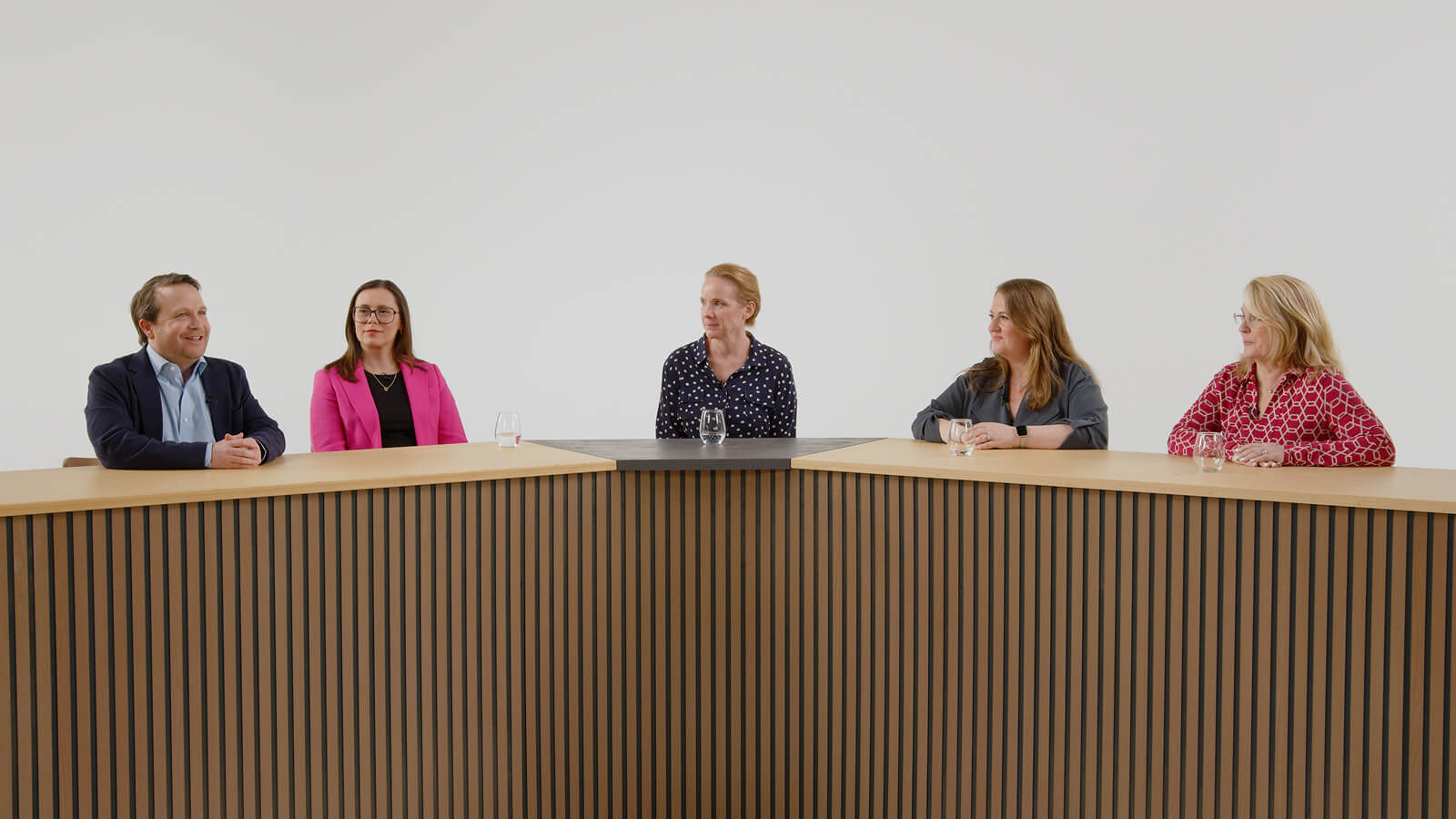
[Dave Steer] AI is changing how people search, how they discover, and how they decide. And most marketing organizations are stuck somewhere between, "we have a slide about this" and "we have a task force on this." Neither of which is the same thing as being ready. I'm joined by four senior marketing leaders who are living this question across a variety of different industries.
The proposition on the table: most companies think that they're ready for AEO, but aren't. Do you agree with that? [Carol McNerney] Are you ever really ready? And I think a lot of companies, if they're saying they're ready, they're being a little naive. I look at it as, how are we preparing ourselves? How are we thinking about it every single day? Because I feel like it's just constant change. [Inna Meklin] I actually believe most companies have all of the key components to be ready. They have the people, they have the content, they have the tools. It's about bringing these teams together through a new operating model to win in this space. So I do think that the companies have all the pieces. [Carol McNerney] I'd like to push on that a little bit. I'm worried in talking to some of my friends who are CMOs at different companies that they don't know which technology they need. They're not sure where they should be. So I think people are still out there struggling a little bit, trying to figure out, do I have the right technology, do I have the right people? Because we're also learning AI, right?
[Maura Ginty] I can see both sides of it because you need structure, but you need to be able to pivot really quickly. I think that anyone who says that they're ready for AEO is just stuck in hubris because it's changing too quickly. [Oana Manolache] A lot of companies think that they're AEO ready because it's not about not understanding AI, it's just not understanding their own content. So first they need to start there. [Inna Meklin] It does start with understanding your content, but not just your own content. It starts with understanding, looking at tools, looking at data available to us, to see what is AI saying about my brand out there by anybody, not just our owned properties.
[Dave Steer] There's one gap that I would love your feedback on, and it is kind of perception versus reality that we're seeing among different types of people inside of a company. We ran a survey and got some data back that said that 68% of leaders report being mature and ready for AEO, but only 26% of practitioners say they're implementing it. What do you think is going on there? [Oana Manolache] I think it's a huge difference between being ready and actually kind of implementing all the tools. Being ready for AEO is this ability to test, evaluate, move fast and constantly iterate.
[Maura Ginty] It's about the structure of your content. And luckily the zero-click internet started before this. So as marketers, I do think we were all getting ready for a state where we knew people were going to be exposed to our content without ever coming to our website. [Oana Manolache] And I think that that's where the disconnect is, is that leaders are thinking about it holistically and then when it comes down to the team, sometimes they could feel overwhelmed by how much they think they need to do to be ready for AEO versus having an MVP, in a way, starting point that they can action upon. [Maura Ginty] This is also a known human gap in perception, right? So 87% of people, I think I remember, believe that they're a good driver. So if 87% of people believe they're a good driver, does anyone here believe that 87% of people on the road are good drivers? It's not the case. [Inna Meklin] Well, I would reframe the readiness angle on not just ready, ready to test. LLMs are learning, evolving, changing how they collect content, how they synthesize content every single day. So testing and learning is the mantra.
[Dave Steer] When buyers are researching a solution today, where is that research actually happening? And has the website's role in that research changed? [Oana Manolache] The way the buyer is researching right now hasn't really changed. ChatGPT, AI is just yet another kind of peer in a way where you're asking for advice like, what platforms should I buy? You go into Slack, you go into ChatGPT. And the reality is that ChatGPT has become a trusted peer for a lot of us, even in our personal lives. [Inna Meklin] The latest stats I've seen is 94% of the B2B buyer journey starts in AI. And what I would add to that, it doesn't just start in AI. We're seeing customers that are doing discovery, they're doing consideration, they're doing comparison, evaluation and making purchase decisions, often all within one conversation, often within minutes. The website is absolutely playing a different role in the buyer journey. It is much further down in consideration and purchase. [Oana Manolache] The way I see it is the search starts outside of your website, starts in Slack channels, peer groups, even WhatsApp, in ChatGPT. What happens when they come to the website? It's what's going to turn that into conversion.
[Dave Steer] The technology is changing, but a bunch of the core principles, they actually stay the same. AI is again a tectonic shift in terms of how we do our jobs, and yet the principles that have applied to really good marketing, how to build experiences that people trust, how to create content that actually is valuable to people. [Carol McNerney] I think back to growing up with a father who always told me, trust but verify. And so I think what I struggle with when I think back to the old days of Google, you realize Google didn't search the entire web, so you're only getting so much information. And so maybe I'm being naive to think, is AI really searching the whole thing? [Oana Manolache] Gartner just showed a report where it takes on average about 50 touchpoints for someone to make a decision and close to 100 touchpoints for an enterprise decision. But I strongly believe that they are not going to make a decision until they go at least to the website. [Inna Meklin] The role of the website, I would argue, is more important than ever because it's that final closing point. They have done their research and discovery and they're coming in. They need to be convinced at that point. The reason they're there is because they likely discovered your brand in AI. And so part one is making sure you're in the AI conversations when they start doing the research.
[Dave Steer] This kind of transformation is a people issue. It's a process issue and it's a technology issue. [Carol McNerney] People say to me, oh, well, you're probably not going to need a website anymore. There's just going to be AI. And I'm like, okay, I don't think we're quite there yet. And then I also have people say, well, you got to build a website for your buyers and then build a website for AI, which I completely disagree with. I think I'm not going to build two different websites. I really do believe that you can build your website and create it and do all the work around it for AI to discover you. [Maura Ginty] And for us, we're in regulated industries and we also sell to places like healthcare, financial services. If you sell to a union, you're always going to have a relationship. It's never going to be a bot buying from a bot. So the role of not just brand trust, but relationship building, the role that you see in in-person conferences, is really important. We saw a 37% increase in engagement. We saw an incredible bump in demos. So it's been an incredible path to get there.
[Carol McNerney] We're seeing more traffic coming in through AEO. I think we were at like 125 searches that would come through a month and we're up to now over 400. So it's been a really nice increase. I think people need to be careful not to get overwhelmed by AEO. Oh my gosh, I have to do 25 things. I have to buy this, I have to buy that. There's educational content that you can put on that you probably have, just refresh it, get the Q&A, work with the meta, the tagging, the schema. It may seem incremental work, but it makes major impact. The consistency, they're seeing it no matter where they look, meaning the bots, they're looking around and finding that same information.
[Dave Steer] I know that you and your team have done a website rebuild. Tell us a little bit about what led you to the website rebuild and what you've learned along the way. [Maura Ginty] I thought I was walking into an SEO project and we had barely started scratching the surface of the project when we realized this is an AEO project now. But the way we looked at structure was very different and our expectations of what the results should be were very different because we were planning for a website that would show that consistency and trust. We were planning for that last step, verification that we are who we say we are and that you can follow through and start to speak to a human. We have more personalized content available to you and we needed to see that we were speaking to all audiences.
[Dave Steer] Virtually all buyers over time will move to AI answer engines as a place to formulate not only their decision about what to do, but whether or not they're going to trust the brands that they see. It's not just the people in the actual marketing team. It's the action of taking things to market that brings people together. [Inna Meklin] The success we gained was bringing together teams that have never worked together before. We brought PR and comms teams, we brought social teams, product marketing, integrated marketing, organic social, paid social, paid media. I mean, the list is exhaustive. We brought together a 20-plus person task force of people that create content in different ways through different means to try and align around a common goal, and bringing those folks together to see what content is being created and what are the topics that we need to win on, where we need to either correct our narrative or own the narrative because we're not even in the conversation. And finding activation points across all of these different teams where they can infuse the topics that we care about into the work that they're putting out there so we can have a coordinated strategy in how we go to market. We did a lot of testing this way. We saw a lot of impact, and we're continuing to iterate this model.
[Oana Manolache] We have topic clusters, and every quarter we pick a cluster, like a topic that we absolutely need to be part of the conversation. We need to be in the room when leaders are having those conversations where we can play an important role. Because what happens with the way AI is synthesizing the content is it starts obviously with the website. We talked a lot about it and the content that it has in there. But it's also the trust is coming from people interacting with your content on all kinds of other platforms as well. So as long as we have the source of truth, the big topic cluster on our website, we see the others as a distribution channel and a way for the world to validate our positioning.
[Dave Steer] How do you measure success in a world where the most valuable discovery might never generate a click to your website? [Carol McNerney] When we go to the board, it's more of a conversation of how have we contributed to revenue, meaning leads that have come in that have turned into deals. But as we look at our executive committee and the kind of operating committee within the company, we do talk. And it's an education, right? Because there are people who say, well, I want to see the trends. How did you do, like your traffic? Where did it come from? And now you're having a different conversation. It's sessions, it's how long they're on the website, are they watching the videos? [Oana Manolache] Traffic has been in some cases a vanity metric for me. And I think that what is more important now for a lot of people, I track engagement. And what I mean by engagement is time on site, because that shows that the content and the solution is really resonating. Traffic could be bots nowadays, traffic could be students doing research. That doesn't mean it's your ICP. But if they're spending time on the website, they're clicking through the pages, the content is resonating. That means that generates revenue eventually. [Inna Meklin] For us, it's really been shifting that focus away from traffic to more of a mindshare narrative. Are we in the conversation? Is our brand there, setting a baseline, testing and iterating and watching that baseline change over time?
[Oana Manolache] We're entering the era of the intelligent website. And I think the most important thing for marketing leaders to think about is how is your website ready for both AI as well as human engagement? [Inna Meklin] Make sure you're there in the AI conversations for the topics that matter most. Because if you're not there and your brand is not mentioned, you are losing customers today. [Carol McNerney] Listen to your team, get them together and make sure that they're giving you input, because they're the practitioners on the street and you should be the one guiding them with the right tools. But make sure you listen to them. [Maura Ginty] And what a wonderful flip of the marketing role, right? Like we were the liars, we were the just words, just pictures people. Now we're the people who have to look out for the potential customer and make their lives easier. And we have to be the ones that are proving the authenticity of our brand. It's fantastic.
[Dave Steer] The shift to AI-driven discovery isn't something you can wait out, whether you're mid-rebuild like Maura, rethinking your operating model like Inna, or just realizing that the old playbook just doesn't cut it anymore. The question isn't, is this happening? It's, what are you going to do about it right now? Tomorrow we hear from the other side of the table, the practitioners, the designers, the developers who are building for the shift right now. Same questions, different perspectives. Thanks to all of our panelists. Stay with us.