A modern Drupal alternative
Build and optimize exceptional websites faster — without the complexity of managing modules, updates, and infrastructure.




















Build powerful websites that scale, faster
While Drupal offers powerful flexibility through its open-source framework, teams can face lengthy implementation cycles, ongoing maintenance overhead, and a steep learning curve.
Webflow's visual-first website experience platform empowers marketing, design, and development teams to build, launch, and optimize high-performance websites with enterprise-grade governance — all without the operational complexity.
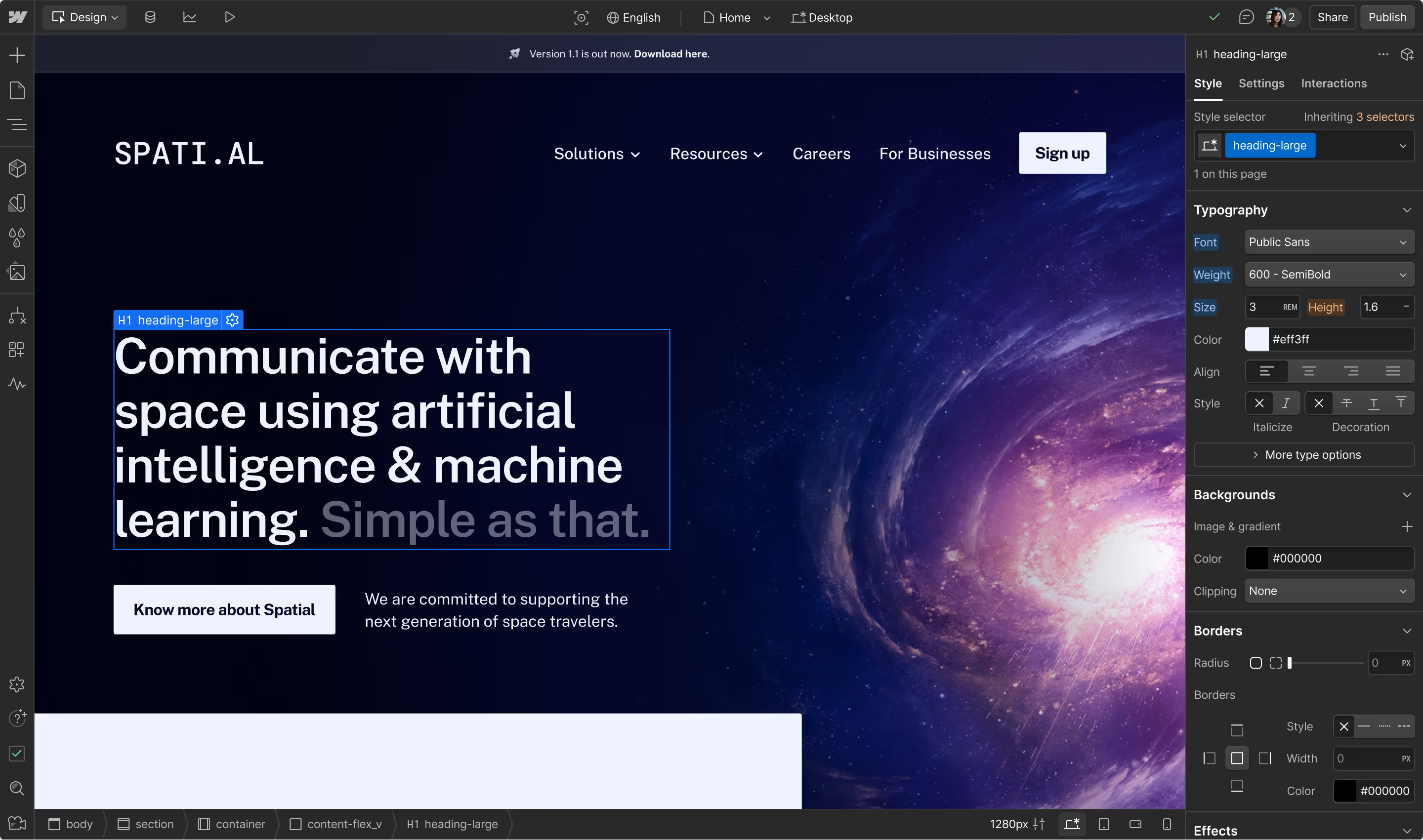
Why choose Webflow over Drupal
Webflow delivers the power and flexibility enterprises need with the speed and autonomy modern teams demand. Unlike traditional open-source platforms that require extensive technical resources and maintenance, Webflow provides a unified platform where teams can move from concept to launch in days, not months — while maintaining complete creative control and enterprise-grade security.
Launch campaigns and websites 4x faster
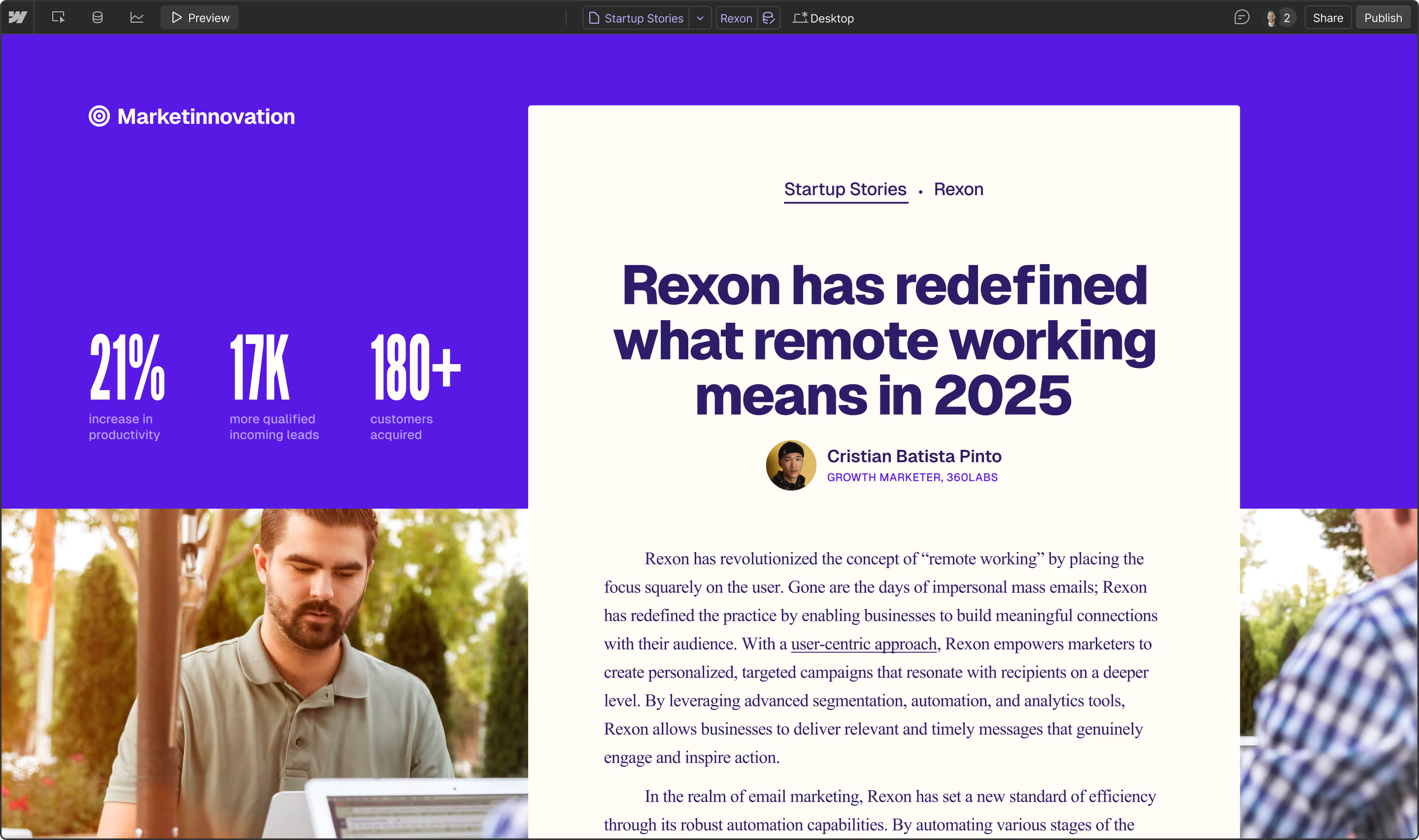
With Webflow's visual development canvas and AI-powered tools, you can build and deploy professional websites without waiting on development cycles or module configurations. Modules often require other modules to work which bloats your site and contributes to lengthy implementation timelines.
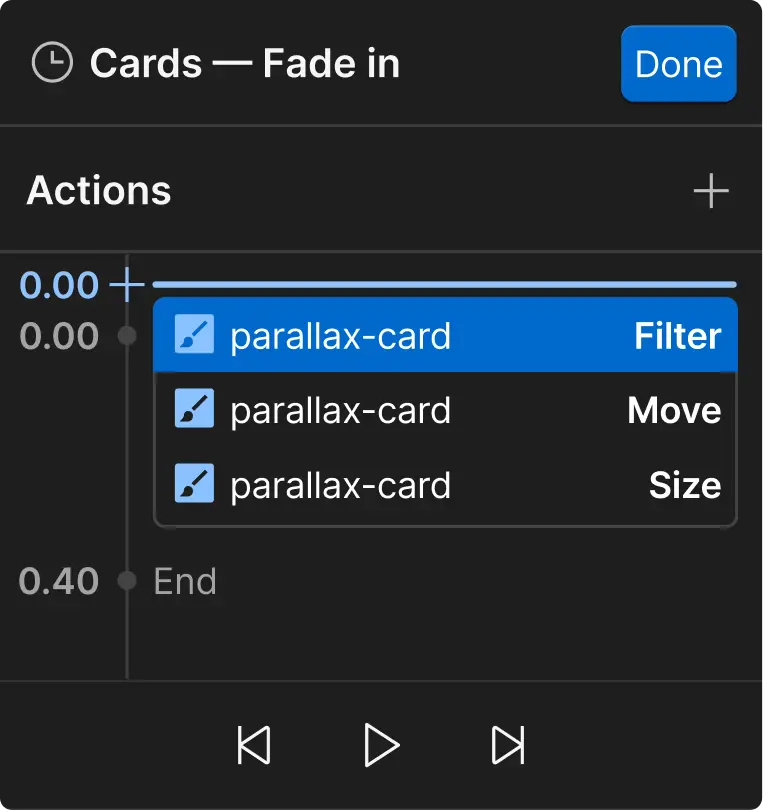
With Webflow, teams can launch sites in days and iterate on campaigns quickly. Your marketing team gains the autonomy to create landing pages, run experiments, and publish content changes with one-click deployment — no tickets, no delays.
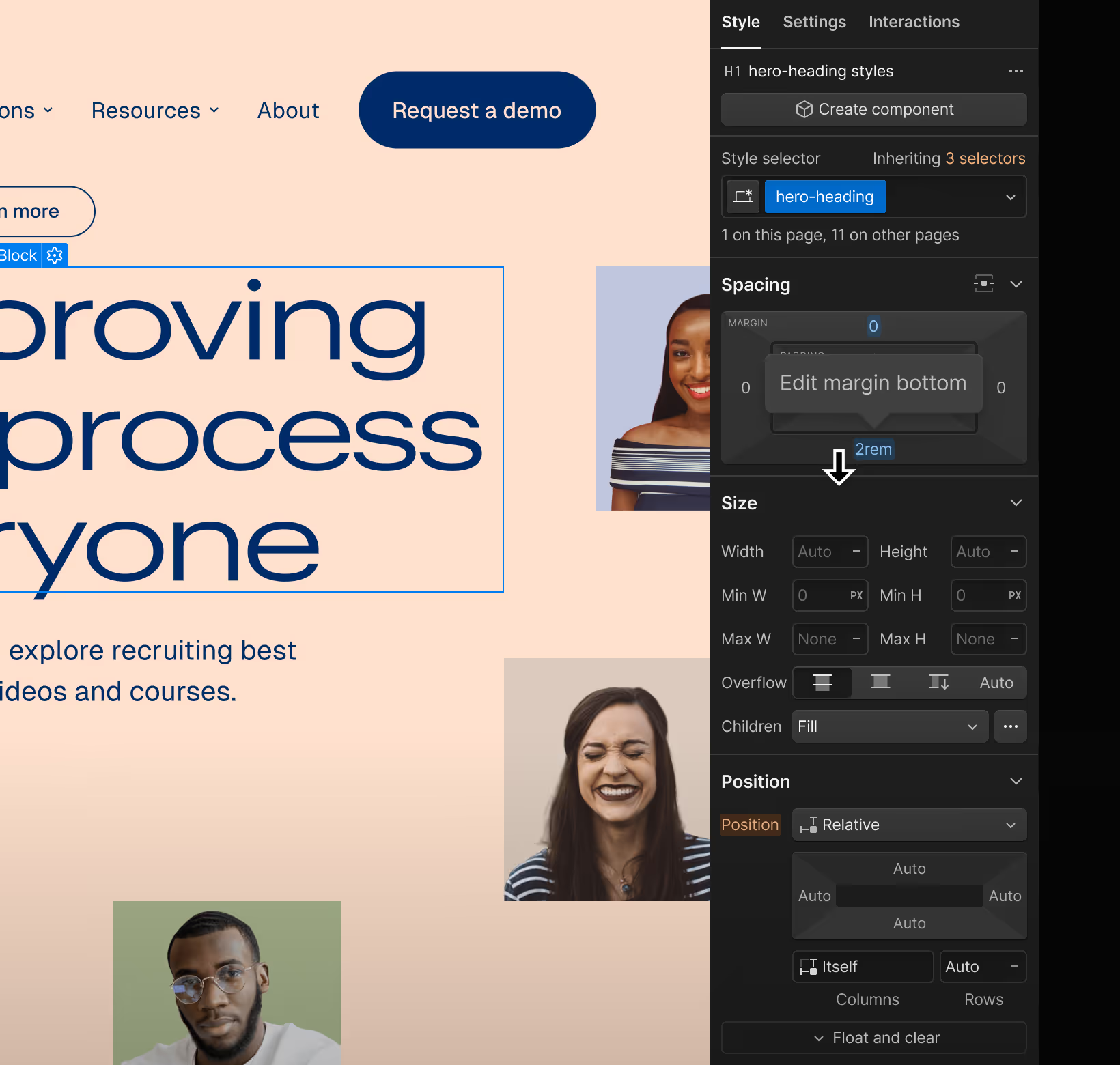
Zero maintenance, maximum reliability
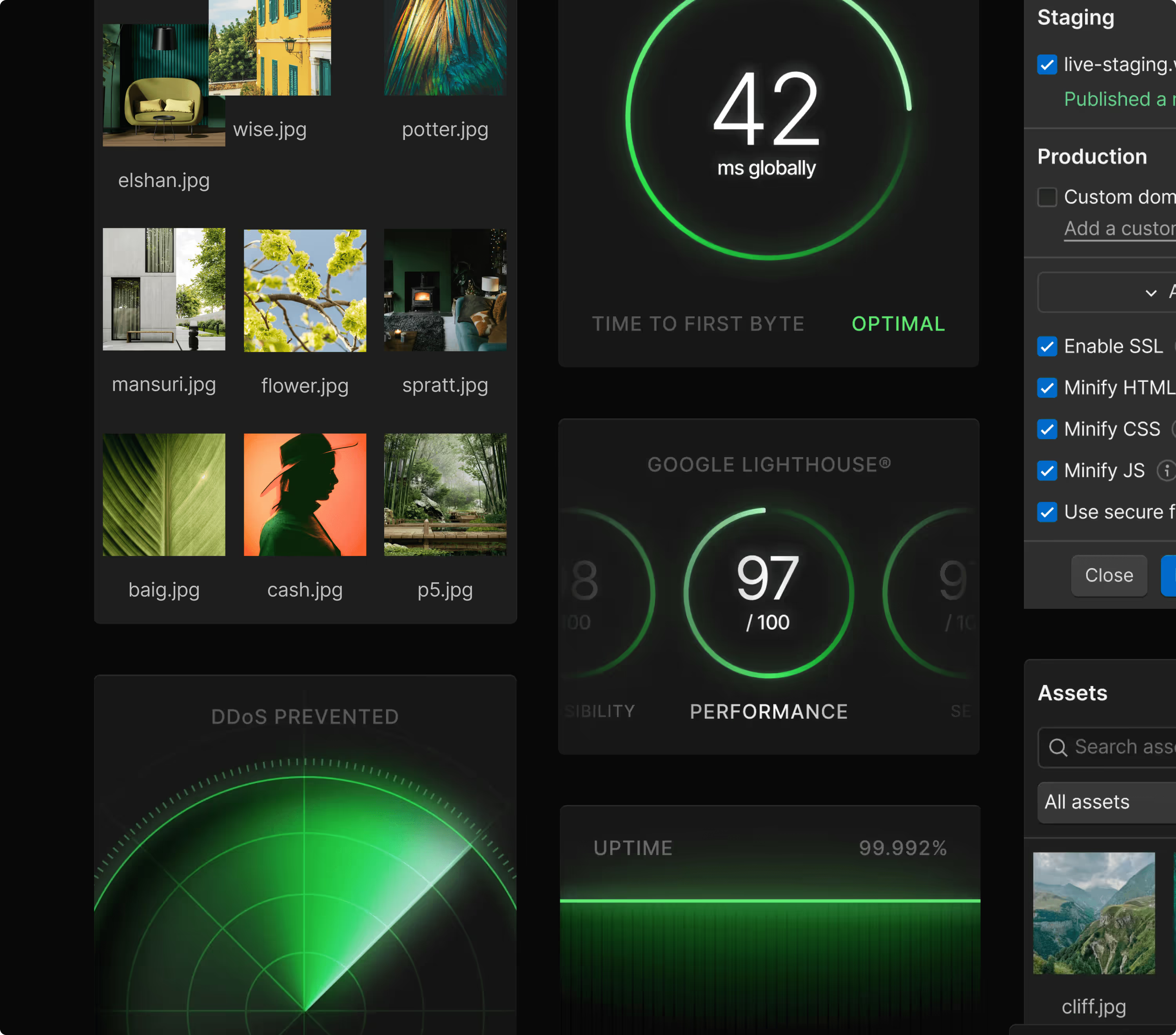
Forget about module updates, security patches, and hosting configurations. Webflow's fully managed platform handles all infrastructure, updates, and security automatically. While Drupal requires ongoing attention to module compatibility, server maintenance, and version upgrades, Webflow keeps you always current with zero downtime. Your team focuses on creating exceptional experiences, not maintaining infrastructure.
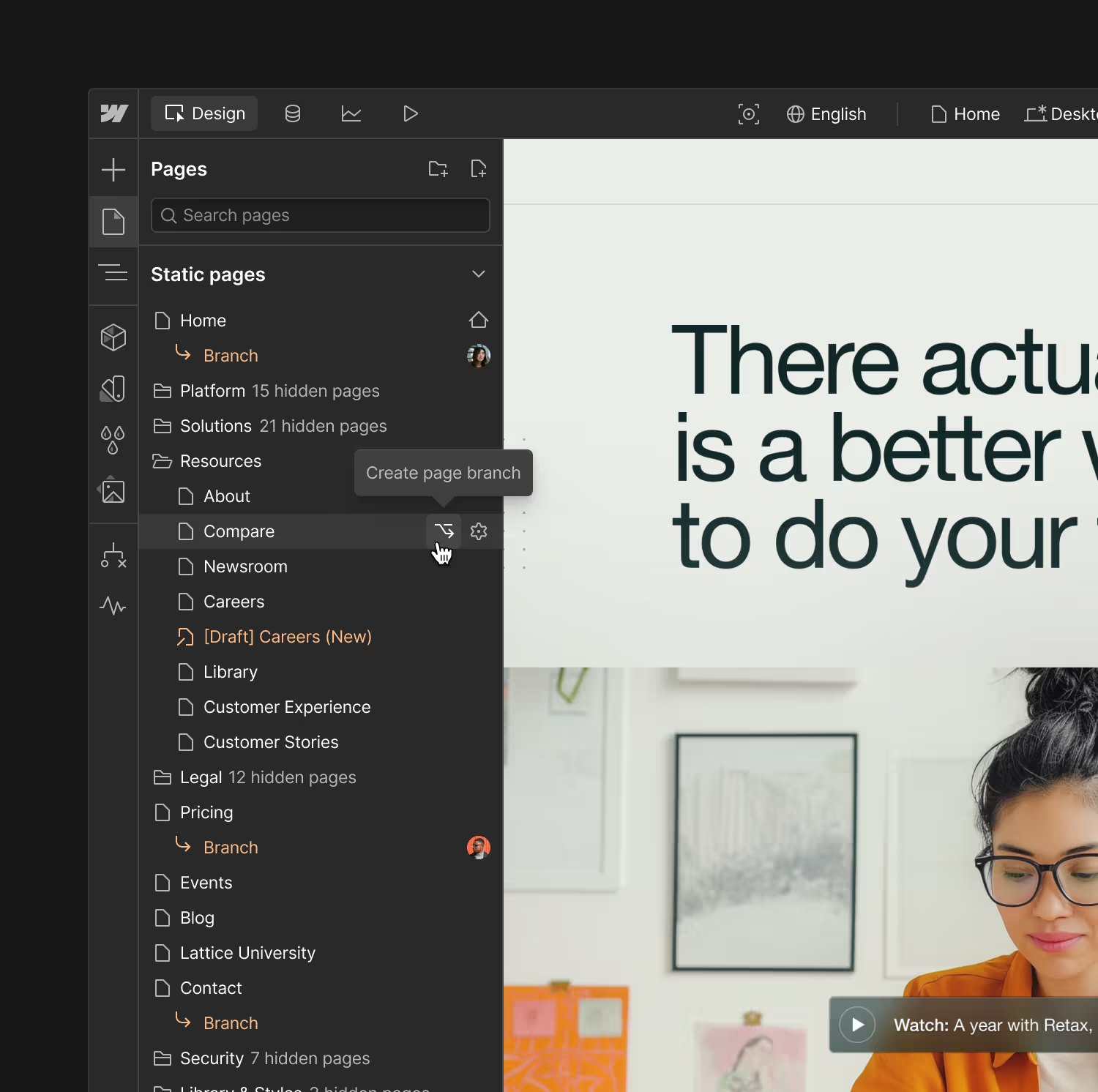
Built-in optimization and personalization
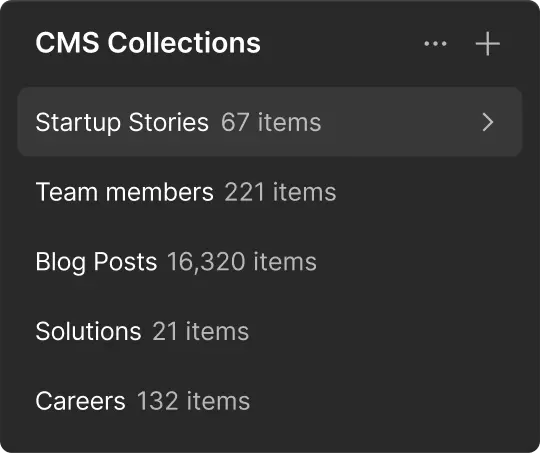
Drive measurable results with native A/B testing, AI-powered personalization, analytics, and localization — all integrated into your workflow. Where Drupal requires assembling various modules or custom development for experimentation capabilities, Webflow provides these tools out of the box. Teams can test and optimize continuously without engineering support, empowering marketing to iterate and improve performance independently.
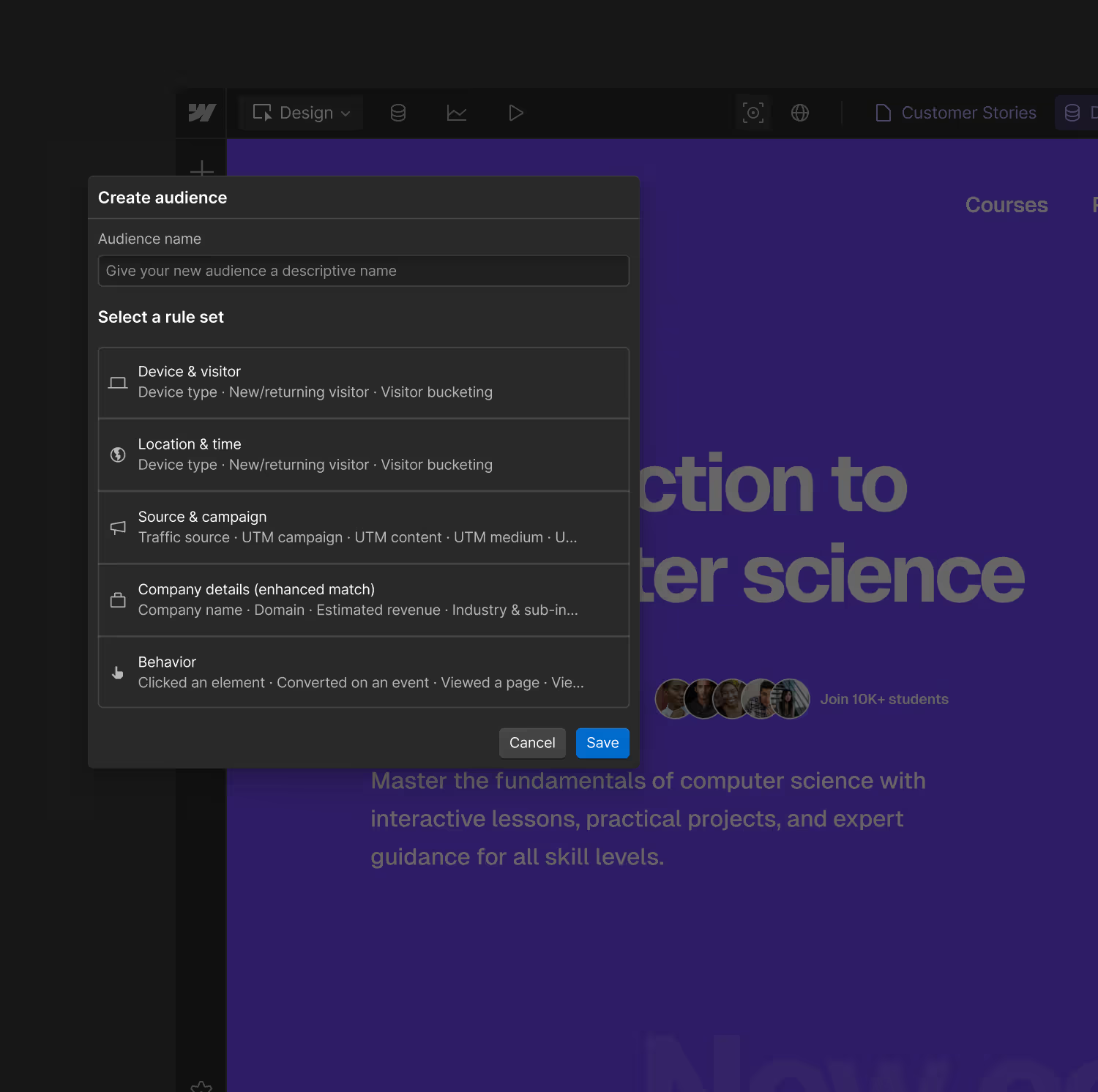
Enterprise governance without the complexity
Scale confidently with custom roles, staging environments, branching workflows, and approval processes designed for large teams. Webflow provides SSO/SCIM integration, audit logs, and SOC 2 Type II compliance while maintaining an interface that non-technical team members can actually use. Unlike Drupal's learning curve that often limits editor participation, Webflow empowers every team member to contribute safely within defined guardrails.
Why Webflow wins

Speed without trade-offs
Launch and iterate in days, not months. Webflow's visual development environment and one-click publishing let you move from design to production instantly, while maintaining pixel-perfect control and code-level flexibility when needed.

Lower total cost of ownership
Consolidate your CMS, hosting, deployment, and optimization tools into one platform. Eliminate the hidden costs of module maintenance, security updates, and infrastructure management that come with open-source implementations.

Marketing autonomy with developer control
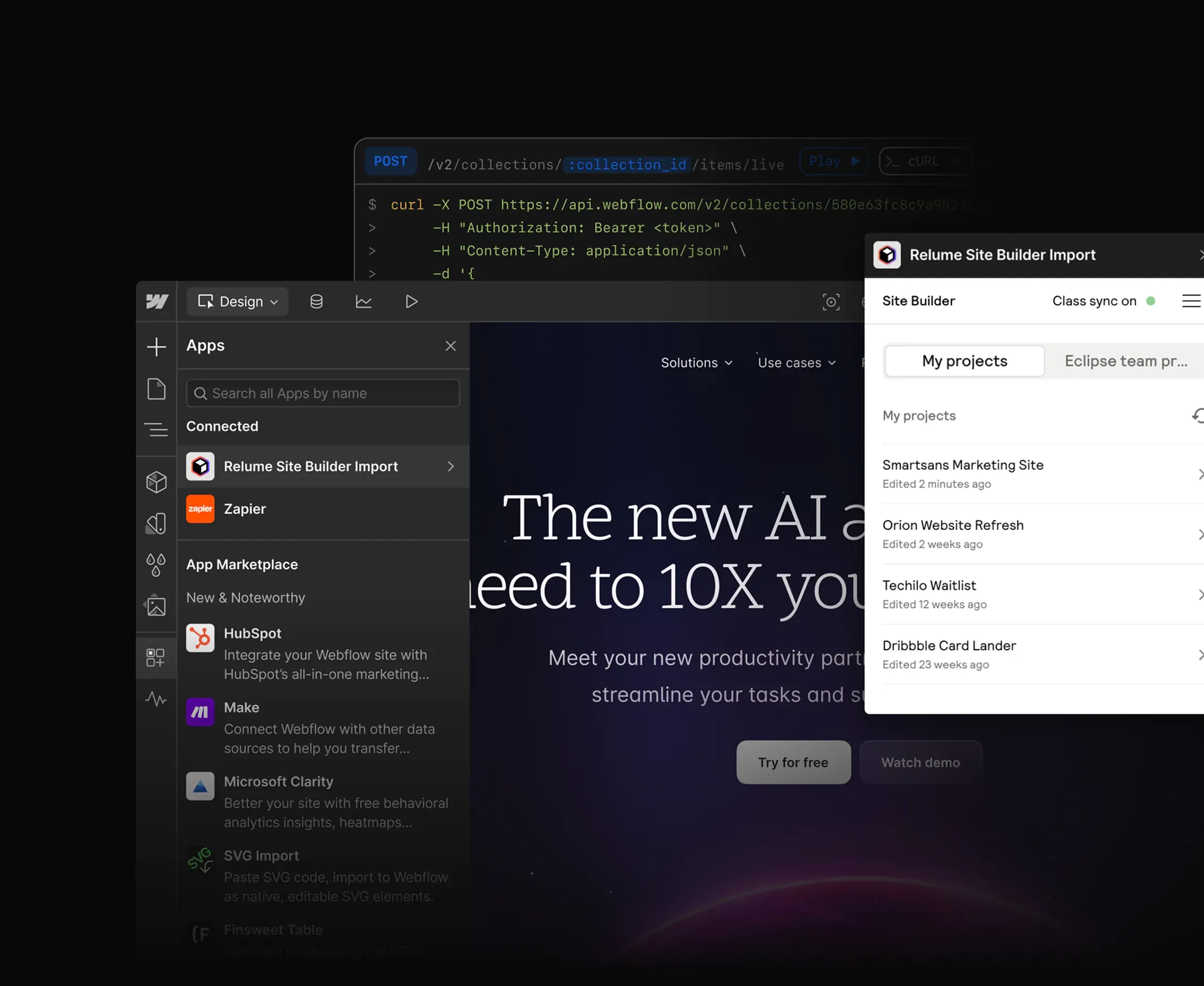
Give your marketing team the power to create and optimize independently while providing developers with robust APIs, CLI tools, and clean code output. Reduce engineering tickets for website updates, while maintaining extensibility for custom requirements.
Customers love us
But don't just take our word for it — check out our latest G2 awards.




“Our site loaded literally twice as fast after switching to Webflow, even without rigorously optimizing every image.”

“Our new designs didn't need to go through anyone else besides brand and marketing — no engineers needed. The freedom and flexibility we gained through Webflow was invaluable.”

“Our design and development teams are much more integrated during the build process. Designers have more autonomy, and engineers can focus on the most impactful work — allowing us to deliver new web pages faster.”
How does Drupal and Webflow compare?
Features
Drupal
Webflow
Design flexibility


Development tools

Animations and interactions
Scaled content
Collaboration
SEO tools
Analytics
Testing and personalization
Localization
AI
Hosting and security
Version control and workflows
Pricing
Partner network
Support and education
Certifications
Ready to try a better alternative to Drupal?
Experience the speed, flexibility, and reliability that leading organizations choose when they switch from Drupal to Webflow. Build your first site free and see why teams achieve results faster without the complexity.
Frequently asked questions
Drupal is an open-source content management framework requiring significant technical expertise, module assembly, and infrastructure management. Webflow is a website experience platform that combines visual development, CMS, hosting, and optimization tools in one managed solution. Where Drupal offers flexibility through complexity, Webflow delivers power through simplicity — enabling teams to build exceptional websites without the operational overhead.
While Drupal is introducing new visual building capabilities, Webflow has refined its visual-first approach for over a decade. Webflow provides an integrated visual development environment with built-in hosting, optimization tools, and enterprise governance — not just page building added to a traditional CMS. This means faster implementation, fewer dependencies, and a unified workflow from design to deployment.
Yes. Webflow powers websites for organizations like The New York Times, Dropbox, and IDEO with enterprise-grade features including 99.99% uptime SLAs, SOC 2 Type II compliance, custom roles and permissions, SSO/SCIM integration, and API-first architecture. Unlike Drupal's modular approach that requires assembly and maintenance, Webflow provides these capabilities integrated and managed within the platform.
Webflow provides multiple migration paths including CSV import for content, API-based migration tools, an MCP server for AI-driven migrations, and a network of certified partners experienced in Drupal migrations. With Drupal 7 reaching end-of-life, many organizations find migrating to Webflow faster than upgrading to newer Drupal versions, with the added benefit of eliminating future version migration challenges.
Webflow reduces the need for routine development work while providing powerful extensibility when needed. Developers can use APIs, CLI tools, and custom code components without managing modules or infrastructure. This means less time on maintenance tickets and more focus on innovation, while marketing and design teams handle most updates independently through the visual interface.